
Screen Time and Mental Health
Screen Time and Mental Health: How Much Is Too Much?
In today’s digital age, screens are everywhere—from our phones and laptops to TVs and tablets. While technology has made life more convenient, it also comes with a hidden cost: our mental well-being. This blog explores the connection between screen time and mental health, and what you can do to find a healthy balance.
How Screen Time Affects Mental Health
1. Increased Anxiety and Stress
Constant notifications, social media scrolling, and exposure to bad news can overload the brain. This leads to screen time anxiety, irritability, and difficulty focusing.

2. Poor Sleep Quality
Hampering of sleep cycle is one of the effects of screen time. The blue light from screens suppresses melatonin, a hormone that regulates sleep. Poor sleep, in turn, increases feelings of stress and emotional instability.

3. Reduced Attention Span
Too much screen time, especially on social media or short-form content, affects the brain’s ability to concentrate. You may notice you’re easily distracted or struggle to stay present in conversations.

Why Cutting Down Screen Time Matters
Reducing screen exposure can significantly improve your mental clarity and emotional health. Here’s how:
1. Better Mood and Focus
By taking breaks from screens, you give your mind a chance to rest. Over time, this can improve mood, increase productivity, and help reduce symptoms of depression and anxiety.

2. Improved Relationships
Less screen time means more time to connect with loved ones in real life. Face-to-face conversations can boost your emotional intelligence and reduce feelings of loneliness.

3. Physical Benefits
Too much sitting and screen use can lead to physical problems like headaches, eye strain, and neck pain. A digital detox helps you become more active and present.

Tips to Reduce Screen Time
Here are some simple, effective strategies to limit your daily screen exposure:
1. Set Screen-Free Hours
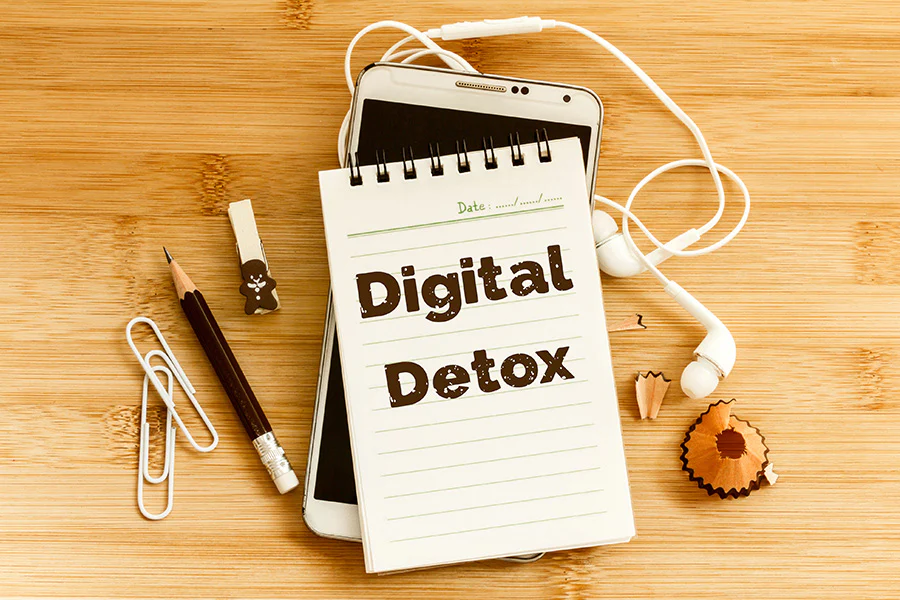
Designate certain hours of the day when you don’t use screens. For example, avoid phones during meals or before bed. Digital detox can benefit in very efficient way in this case.
2. Use “Do Not Disturb” Mode
Limiting notifications during work or family time can reduce distractions and help you stay focused.

3. Replace Screen Time with Offline Activities
Read a book, go for a walk, journal, or meditate. These activities are not only calming but also enhance your mental well-being.

4. Track Your Usage
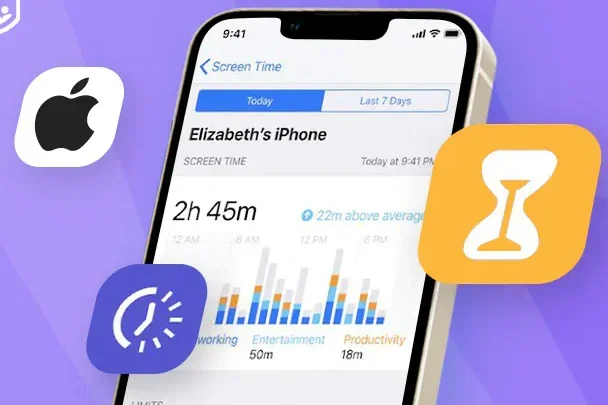
Use screen time tracking apps to become aware of your habits. Awareness is the first step to meaningful change.
Final Thoughts
Finding balance is key in this digital world. Excessive screen time can affect your mental health, sleep, and relationships. But with small, mindful changes, you can regain control and enjoy the benefits of both technology and well-being.
If you’re feeling overwhelmed or anxious due to screen use, remember—it’s okay to unplug. Your mind deserves rest just as much as your body does.
Ready to take your first step toward better mental health? Start with a 30-minute digital detox today. Your mind will thank you.